Why Your Gutters Overflow in Heavy Rain and What It Means for Your Roof
Understanding the Problem of Overflowing Gutters
When a heavy rainstorm hits, water spilling over the edges of your gutters is a clear sign that something is not working right. The direct answer to why gutters overflow during rainfall is simple: the gutter system cannot move water away as fast as rain is falling onto the roof. But the reasons behind that bottleneck are more varied than most people expect. Clogs, improper slope, undersized channels, and even the design of the roof itself can all contribute to water backing up and pouring over the sides.
For homeowners and property managers in Northern Florida, where intense thunderstorms and hurricanes are part of the climate, understanding these causes is the first step toward protecting the building's structure. Overflowing gutters do not just create a mess; they can lead to rot in the fascia board and soffit, foundation damage, and even interior leaks. The good news is that most problems are fixable once you know what to look for.
The Most Common Culprit: Clogged Gutters and Downspouts
The number one reason gutters overflow is a blockage. Leaves, twigs, pine needles, and grit from asphalt shingles accumulate in the gutter channel over time. When enough debris builds up, it forms a dam that holds water rather than letting it flow toward the downspout. During a downpour, the trapped water rises quickly and spills over the front edge.
Downspouts get clogged too. Even if the gutter itself looks clean, a nest or a wad of leaves stuck in the vertical pipe can stop all drainage. The water then backs up the entire gutter length. Homeowners often notice this when they see water streaming from a downspout joint or when the gutter sags under the weight of trapped water.
Regular cleaning is the obvious fix, but it is not always easy or safe. A gutter guard can help reduce the amount of debris entering the channel, though no guard is perfect. In heavy leaf-drop seasons, even guarded gutters need attention.
Slope and Alignment Problems
Gutters must slope slightly toward each downspout so that water flows by gravity. The standard recommendation is a quarter-inch drop for every ten feet of gutter. If the slope is too shallow, water sits and eventually overflows. If the slope is too steep, water rushes past the downspout opening and spills over the end.

Over time, gutters can pull away from the fascia board because of loose brackets or rusted hardware. This changes the pitch and creates low spots where water collects. Ice dams are rare in Florida, but the same principle applies: any sag creates a pond that overflows during steady rain. A visual inspection after a storm will often show exactly where the gutter is holding water and where it is spilling.
Downspout Size and Placement
A gutter can be perfectly clean and correctly sloped, yet still overflow if the downspouts are too few or too small. Standard residential downspouts are typically two by three inches or three by four inches. For a large roof area, this may not be enough to handle the volume of water from a tropical downpour. The rainwater flow from a single roof valley can overwhelm a single downspout quickly.
Adding extra downspouts or upgrading to larger ones often solves the problem. In some cases, the downspout outlet itself is partially blocked by the elbow or by a buried drain that is too narrow. Water backs up from the ground all the way to the gutter. Checking the whole path from roof to ground is essential.
Roof Design and Water Volume
The shape of the roof directly affects how water reaches the gutter. A steep roof sheds water faster than a shallow one, so the gutter must handle a higher flow rate. Roof valleys funnel water from a large area into a single point. If that point is not served by a generously sized downspout, overflow is almost guaranteed during heavy rain.
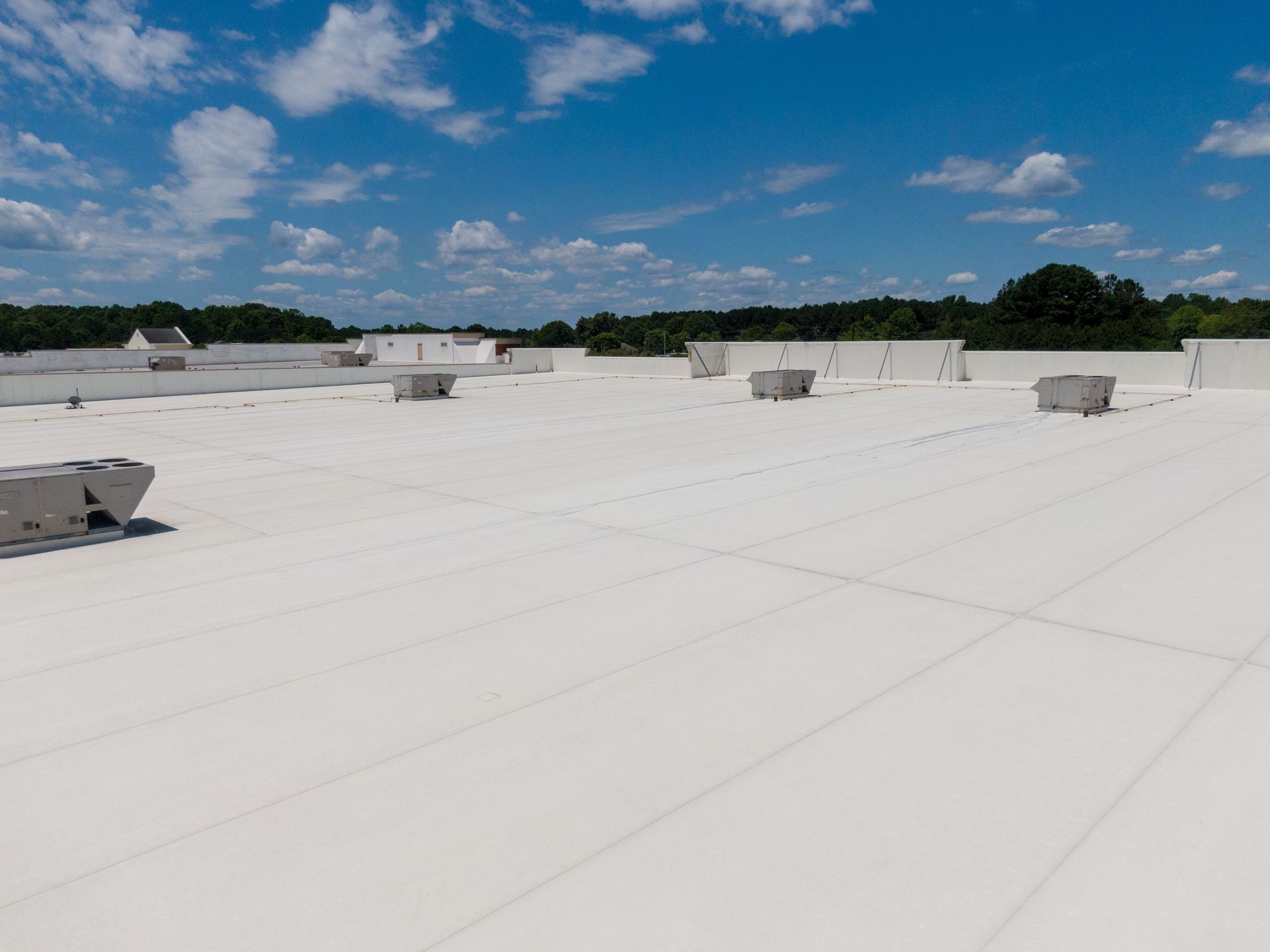
In commercial buildings, flat roofs with internal drains present a different challenge. The drains themselves can clog with gravel or membrane fragments, causing ponding on the roof that eventually finds its way over the edge. For residential homes, the same principle applies: any feature that concentrates water, such as a dormer valley or a chimney cricket, creates a local high-flow zone that the gutter must manage.
Gutter Material and Maintenance
Aluminum and steel gutters can corrode and develop rough surfaces that trap debris. Seamless aluminum gutters are less prone to leaks but can still sag if not properly supported. The weight of standing water in a sagging section can pull the gutter away from the fascia, making the problem worse. Regular inspection for rust, cracks, and loose hangers is part of basic maintenance.

For those who prefer a lower-maintenance option, many homeowners turn to professional roof drainage services. A qualified contractor can assess the existing system, recommend upgrades, and perform repairs that go beyond simple cleaning. This is especially valuable for older homes where the original guttering may have been adequate for the roof size but is no longer in good condition.
When to Call a Professional
Some gutter issues are easy to fix with a ladder and a garden hose. Others require more skill. If you notice water pooling in the same spot after every rain, or if the soffit shows water stains, it is time to have the system inspected. Foundation damage from overflowing gutters can be expensive to repair, so catching the problem early matters.
A trusted local provider like READY ROOFING, LLC can help identify whether the issue is a simple clog, a slope problem, or an undersized system. They can also check the fascia board and soffit for rot, which often goes unnoticed until it causes a leak inside the building. In many cases, a combination of cleaning, realigning brackets, and adding gutter guards solves the overflow problem without replacing the entire system.
Preventive Measures That Work
Prevention is more effective than reacting after a storm. Here are a few practical steps:
- Clean gutters and downspouts at least twice a year, ideally before and after the rainy season.
- Install gutter guards or mesh screens to reduce debris buildup, especially near trees.
- Check the slope of the gutters with a level during a dry day. Water should drain toward downspouts without pooling.
- Inspect downspout outlets and underground drains for blockages. A plumber's snake or a strong hose can clear many obstructions.
- Consider adding an extra downspout if a long gutter run serves a large roof area.
These steps will not prevent every overflow during a record-breaking storm, but they will handle the vast majority of typical rain events. For property owners who want a thorough evaluation, a professional roof drainage service can provide a detailed plan tailored to the specific roof design and local weather patterns.
The Role of Gutter Guards and Accessories
Gutter guards come in many styles, from foam inserts to metal screens with a curved top that lets water flow in while leaves slide off. They are not a set-and-forget solution. Small debris and pine needles can still get through and accumulate over time. Homeowners should check them annually and clear any buildup. A well-maintained guard can cut cleaning frequency in half, but it does not eliminate the need for occasional inspection.
READY ROOFING, LLC is also on Facebook.
Another useful accessory is a downspout extension that carries water several feet away from the foundation. This simple addition prevents the soil next to the house from becoming saturated, which can lead to basement or crawlspace moisture problems. Extensions also reduce the chance of water backing up into the downspout during heavy flow.
Final Thoughts on Protecting Your Property
Overflowing gutters are a symptom of a drainage system that is not keeping up with the rain. The causes range from simple debris to design flaws, but all of them are fixable. Taking action early saves money and prevents damage to the roof, walls, and foundation. If your gutters have overflowed more than once, it is worth a closer look.
For residents and business owners across Northern Florida, addressing gutter problems promptly is part of responsible property maintenance. Companies like READY ROOFING, LLC, with offices at 5105 Philips Hwy Ste 205, Jacksonville, FL 32207, USA, and reachable at +1 904-404-9849, provide residential and commercial roof repairs, replacements, inspections, and storm damage restoration across the region.